Presented by Censinet
Back by demand, Censinet’s AI Governance Webinar Series returns with seven new sessions focused on how healthcare organizations are governing, securing, and managing AI risk today.
AI is already embedded across clinical workflows, vendor platforms, EHRs, and revenue cycle systems, but governance, security, and accountability have not kept pace. Recent events and new research highlight how wide that gap has become.
This seven-part series brings together the leaders defining healthcare’s AI risk posture, from national standards authors to frontline CISOs and healthcare executives, delivering practical frameworks, real-world threat insights, and clear operational guidance.
One critical question: Is your organization ready?
On December 17, 2025, the Healthcare Standards Institute published the first American National Standard for AI governance in healthcare operations. This session explores what the standard requires, including board-level oversight and CEO accountability, and how health systems can use it to build structured, defensible AI governance programs.



Health systems are increasing expectations for AI vendors, and the HSCC Third-Party AI Risk and Supply Chain Transparency Guide is emerging as a key benchmark. This session reviews what the framework requires, where vendors fall short, and how procurement and risk teams are applying it in real-world assessments.
As healthcare becomes more interconnected, cybersecurity approaches must evolve. This session examines how organizations can protect patient safety in an AI-driven environment through systemic risk mapping, the SMART framework, and integrated strategies for business and clinical continuity beyond traditional incident response.


Healthcare boards are increasingly responsible for AI oversight, yet many are not prepared for the pace and complexity of AI risk. This session outlines what boards need to understand, including governance expectations, disclosure considerations, and how leadership teams can better align with board-level decision making.
Rural and community healthcare organizations face the same AI and cybersecurity risks as larger systems but with fewer resources. This session highlights practical approaches to AI adoption, vendor risk management, cybersecurity resilience, and policy considerations from leaders operating in these environments.
Featuring:
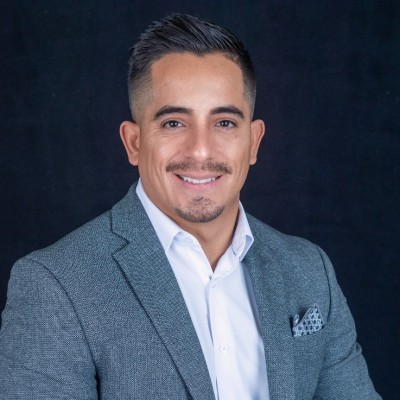



Traditional security models do not fully address risks introduced by AI systems. This session introduces a new AI-focused kill chain model, covering threats such as data poisoning, adversarial inputs, and supply chain vulnerabilities, along with detection and mitigation strategies specific to healthcare environments.
AI agents are rapidly being deployed across healthcare workflows, introducing new security risks. This session explores emerging threats such as prompt injection, agent hijacking, and system-wide cascading failures, along with practical steps organizations should take to secure these environments.