
Healthcare systems are under increasing threat from AI-driven cyberattacks. Criminals are using tools like AI-generated phishing emails, deepfake audio, and self-modifying malware to exploit vulnerabilities, steal sensitive data, and disrupt operations. In 2024 alone, there were 1,825 attacks on healthcare, costing an average of $4.88 million per breach. Here’s what you need to know:
- AI in Cyberattacks: Attackers use AI to craft convincing phishing schemes, bypass multi-factor authentication, and exploit IoT device vulnerabilities.
- Healthcare Vulnerabilities: Outdated software, underfunded IT teams, and unprotected IoT medical devices are prime targets.
- High Stakes: Patient data sells for up to $1,000 per record, making healthcare a lucrative target. Breaches can disrupt critical care and cost millions.
- Defense Strategies: Automated tools like Censinet RiskOps™ and AI governance frameworks (e.g., NIST CSF, Zero Trust) are helping healthcare organizations manage risks and improve response times.
Healthcare leaders must act now by investing in automated risk assessments, training staff to spot AI-driven threats, securing IoT devices, and implementing robust AI oversight to protect systems, data, and patients.

Healthcare Cybersecurity Threat Statistics: AI-Powered Attacks and Vulnerabilities in 2024-2025
Cybersecurity on the Health Care Front Lines Against AI and Ransomware
sbb-itb-535baee
Common Vulnerabilities Targeted by AI-Driven Attacks
As AI-powered attacks become more frequent, healthcare systems - already riddled with vulnerabilities - are increasingly at risk. Recognizing these weak spots is critical to developing defenses against these advanced cyber threats.
Human Error and AI-Generated Deepfakes
Human error remains a major vulnerability, and AI-generated deepfakes are making social engineering attacks more convincing than ever. Cybercriminals now use hyper-realistic audio and video to impersonate executives, doctors, or colleagues, tricking employees into revealing sensitive credentials or approving fraudulent transactions. Research shows that 75% of people cannot tell deepfakes apart from real footage [1][2].
Phishing attacks enhanced by AI are also proving more effective, with success rates in healthcare climbing from 3% to 11% - nearly triple the effectiveness of traditional phishing methods [3][4]. A striking example occurred in October 2023 when Ardent Health Services fell victim to an attack involving deepfake voice calls. The attackers impersonated the CEO, convincing finance staff to share credentials. The breach led to 1.5 terabytes of stolen data, a two-week system outage across 30 hospitals, and a $4.7 million ransom payment [7].
While human-centered vulnerabilities are a significant concern, technical weaknesses in connected devices further amplify the risks.
Security Gaps in IoT Medical Devices and Endpoints
The growing reliance on connected medical devices has introduced a massive attack surface for AI-driven cyber threats. Many IoT devices come with default credentials, outdated firmware, and little to no encryption. In 2024, the FDA identified over 1,800 vulnerabilities in medical devices, many of which AI-powered attacks can exploit by continuously evolving to bypass security patches [5][6][8].
With 15 billion IoT devices projected by 2025, about 70% of medical IoT devices are expected to remain vulnerable due to weak authentication measures [5][6][8]. Endpoint compromises now account for 50% of all healthcare breaches [8]. These technical vulnerabilities are further compounded by another critical issue: limited funding.
Limited Cybersecurity Budgets and Resources
Budget constraints are leaving healthcare organizations ill-equipped to combat AI-driven threats. U.S. hospitals dedicate just 6% of their IT budgets to cybersecurity, which is significantly lower than the 15% average in financial services [9]. This underfunding means these organizations are 2.5 times more likely to experience breaches, with the average cost of a breach reaching $10.1 million per incident [9].
Many hospitals also lack advanced AI detection tools, and 70% of staff receive no specialized training to recognize AI-enhanced attacks. This gap allows self-learning malware to remain undetected for an average of 300 days [9].
"Budget-strapped organizations have become 'low-hanging fruit' for AI reconnaissance, with 80% of 2025 breaches expected to occur in underfunded hospitals." [9]
Although healthcare cybersecurity spending increased by 7% in 2024, it still trails the 12% average growth seen across other industries, leaving attackers with ample opportunities to exploit these gaps [9].
Case Studies: AI-Powered Attacks on Healthcare
AI-Enhanced Phishing and Ransomware Campaigns
Phishing campaigns powered by AI have become increasingly adept at sneaking past traditional email filters and security measures. By using tools like natural language processing (NLP), large language models (LLMs), and generative AI, attackers can create phishing emails that are not only highly convincing but also personalized. These methods make it easier to bypass security systems and automate the creation of malicious software, scaling attacks to new levels of complexity and reach [10].
Because healthcare organizations often face security vulnerabilities and must implement patient data protection strategies, they are frequent targets of these advanced AI-driven attacks. Case studies highlight how AI continues to transform and escalate cyberattacks within the healthcare sector.
Defense Strategies Using Censinet RiskOps™
Automated Risk Assessment with Censinet RiskOps™
Healthcare organizations juggle a vast network of vendors and systems, each requiring constant oversight. Censinet RiskOps™ steps in to simplify this process by automating vendor risk assessments and cybersecurity benchmarking across the entire healthcare ecosystem. Whether it's patient data, clinical applications, medical devices, or supply chains, the platform ensures these critical areas are continuously monitored.
Its command center provides real-time risk visualization, offering a clear and unified picture of any security gaps. Say goodbye to outdated spreadsheets and manual follow-ups - Censinet RiskOps™ streamlines everything with efficient workflows that align with stakeholder needs. The platform even enables simultaneous assessments while maintaining comprehensive oversight, saving time and resources.
These automated assessments integrate effortlessly with advanced risk management tools, which we’ll explore next.
AI Risk Management with Censinet AI
Censinet AI™ takes third-party risk assessments to the next level by combining speed and precision with human oversight. Vendors can complete questionnaires in seconds, while the system automatically compiles and summarizes their evidence and documentation. This AI-driven process captures critical details like integration specifics and fourth-party risks, generating detailed risk summary reports based on the collected data.
What sets this system apart is its human-in-the-loop approach. Automation enhances - rather than replaces - security decision-making. Risk teams maintain control through customizable rules and review processes, allowing organizations to expand their risk management efforts without compromising safety. Key findings and tasks are routed to the appropriate stakeholders, including members of the AI governance committee, for review and approval. The AI risk dashboard serves as a centralized hub, offering real-time data on AI-related policies, risks, and tasks.
In tandem with these tools, Censinet RiskOps™ strengthens security by incorporating established frameworks.
Implementing NIST CSF and Zero Trust Frameworks
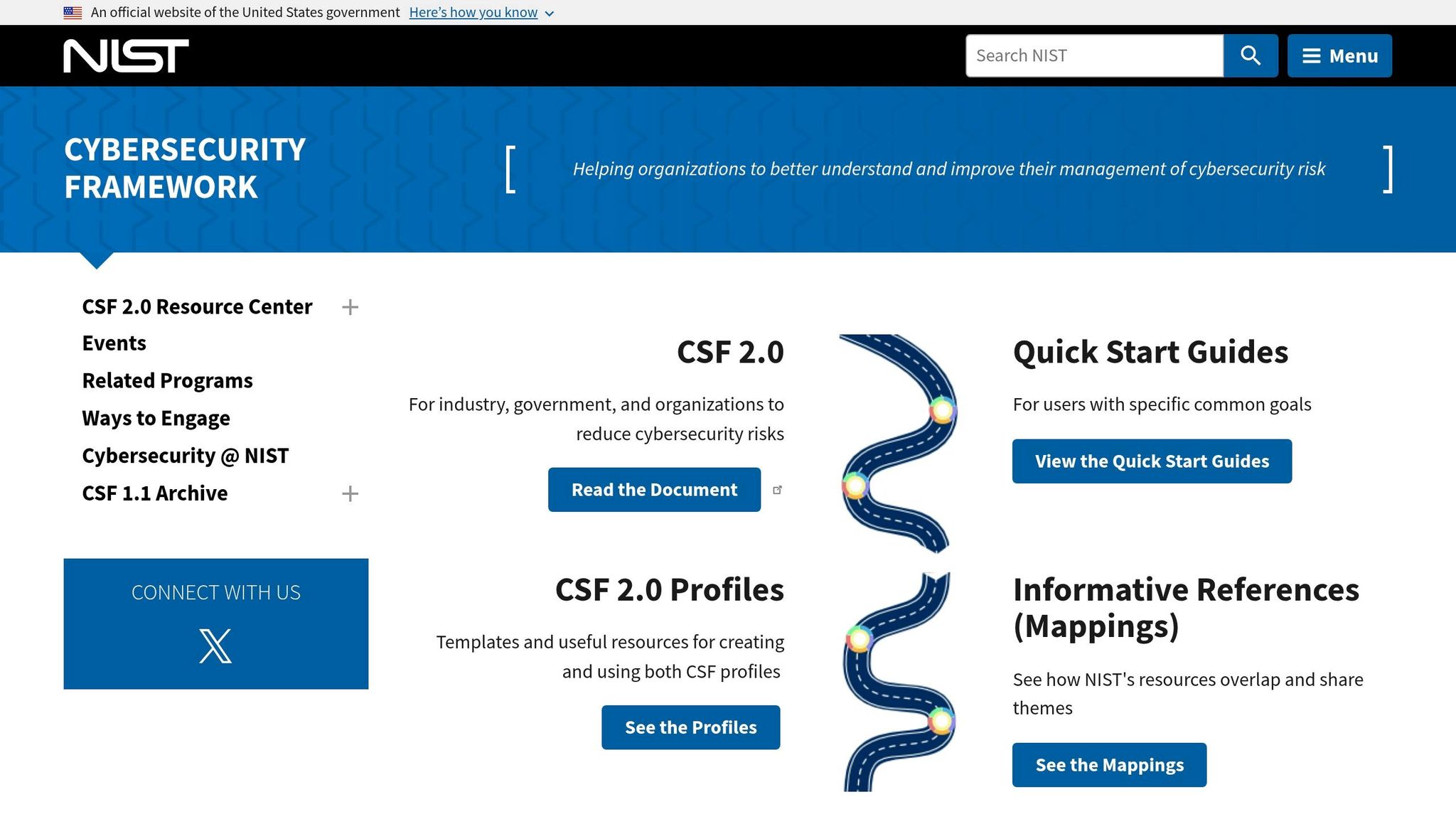
Censinet RiskOps™ integrates NIST Cybersecurity Framework (CSF) and Zero Trust principles to complement its automated tools. By aligning risk management strategies with these industry standards, the platform ensures robust protection against emerging AI-driven threats. Combining framework-based governance with automated risk assessments allows healthcare organizations to tackle complex third-party and enterprise risks more effectively. At the same time, it helps maintain compliance with regulatory requirements, offering both speed and precision in addressing security challenges.
Selecting the Right Censinet Plan for Your Organization
Choosing the right solution is key to strengthening risk management across healthcare systems while addressing unique organizational needs.
Censinet Plan Comparison
Healthcare organizations face a challenging landscape of threats. Censinet RiskOps™ stands out as the flagship solution, automating third-party and enterprise risk management for over 50,000 vendors and products [11]. This comprehensive platform is perfect for organizations seeking a mature, integrated approach to risk management. This is similar to how Emory Healthcare streamlined their TPRM program to achieve better scalability.
For healthcare systems working within tighter budgets, Censinet One™ offers on-demand cyber risk management. It adjusts to evolving workforce and resource needs, making it an excellent option for expanding security without requiring fixed staffing. Terry Grogan, CISO at Tower Health, shared:
"Censinet RiskOps allowed 3 FTEs to go back to their real jobs! Now we do a lot more risk assessments with only 2 FTEs required" [11].
Censinet Connect™, on the other hand, caters specifically to vendors. It simplifies the onboarding process by enabling vendors to share pre-completed questionnaires and evidence with potential clients. This streamlines documentation and reduces delays in vendor onboarding [11].
For organizations with advanced AI governance requirements, Censinet GRC AI™ offers an AI-native platform tailored to healthcare. With seven orchestrated agents, it manages risks in critical areas like Supply Chain, Cybersecurity, and Clinical Excellence. Its Assessor Agent saves an average of 3.5 hours per assessment by automating documentation [12]. Additionally, the AI Telemetry feature continuously monitors for "shadow AI" within vendor products [12]. Brian Sterud, CIO at Faith Regional Health, highlighted its importance:
"Benchmarking against industry standards helps us advocate for the right resources and ensures we are leading where it matters" [11].
Organizations can choose from Platform, Hybrid Mix, or Managed Services plans based on their needs. Whether they prefer internal control, a blended approach, or full outsourcing, all plans are built on Censinet's "Secure by Design" infrastructure. This ensures that customer data remains protected, never shared with external vendors, or used to train third-party AI models [12].
Conclusion: Preparing for AI-Driven Cyber Threats
AI-powered cyberattacks are advancing at an alarming rate. Healthcare organizations are particularly vulnerable, facing ransomware attacks 2-3 times more frequently than other industries. Recent studies show that 75% of data breaches now involve AI-enhanced phishing tactics[14]. Attackers are exploiting weak points like deepfakes, IoT device vulnerabilities, and limited cybersecurity budgets to target patient data and critical infrastructure. Relying on reactive measures is no longer enough - proactive strategies are essential to combat these evolving threats.
Censinet RiskOps™ offers a solution tailored to these challenges. By leveraging automated risk assessments, AI governance tools, and frameworks such as NIST CSF and Zero Trust, the platform addresses the unique needs of healthcare organizations. From securing medical devices to managing vendor risks, this comprehensive approach helps mitigate the sector's most pressing vulnerabilities.
Choosing the right plan is equally important. Whether it’s the full-scale automation of Censinet RiskOps™, the flexibility of Censinet One™, or the AI governance capabilities of Censinet AI, aligning the solution with your organization's specific weak points is key to effective protection. For IoT-heavy environments, advanced plans can boost endpoint security by 40% faster detection and response times[13], while automation significantly reduces the workload for already stretched teams.
Action Steps for Healthcare Leaders
To stay ahead of AI-driven threats, healthcare leaders should focus on these critical steps:
- Automated Risk Assessments: Use Censinet RiskOps™ quarterly to pinpoint vulnerabilities across vendors, devices, and endpoints.
- Staff Training: Train employees to detect deepfakes and conduct annual phishing and ransomware simulations using AI-powered scenarios that mimic real-world attacks.
- IoT Device Security: Implement Zero Trust architecture, aligned with NIST CSF’s Identify-Protect-Detect-Respond-Recover framework, to safeguard medical devices. This approach can cut breach impact by 50% through micro-segmentation and automated quarantines[13].
- AI Governance: Establish policies to monitor and manage third-party AI risk within vendor products continuously.
- Emergency Response Plans: Work with cybersecurity experts to create response strategies that comply with HIPAA regulations.
- Regular Audits: Schedule NIST-aligned audits to ensure compliance with evolving cybersecurity standards.
- Plan Evaluation: Explore Censinet’s plans through free trials to find the best fit for your organization's size, budget, and threat landscape.
The risks of inaction are far greater than the investment required to protect against these threats. By taking proactive measures now, healthcare organizations can safeguard their systems, data, and patients against the growing wave of AI-driven cyberattacks.
FAQs
How can we verify a voice or video request is real?
To ensure voice or video requests are authentic, healthcare organizations can rely on AI-powered tools designed to identify deepfakes and altered media. It's also crucial to establish protocols for secondary identity checks, such as using secure authentication methods, before proceeding with any requests. Regular training for staff on spotting deepfakes and identifying suspicious behavior is equally important. Additionally, ongoing monitoring and forensic analysis can further verify authenticity. By combining these approaches, organizations can better safeguard against fraudulent requests.
What are the first steps to secure medical IoT devices?
Begin by cataloging every connected medical device, AI system, and data flow operating within your healthcare environment. Clearly document each device's role, its purpose, and how it interacts with other systems. Pay close attention to potential vulnerabilities, such as APIs, communication protocols, and hardware configurations, as these can often be weak points in your security landscape.
Prioritize Risks and Strengthen Defenses
Once vulnerabilities are identified, focus on risk prioritization to address the most critical threats first. Deploy a multi-layered defense strategy that includes:
- Encryption: Protect sensitive data both in transit and at rest.
- Network Segmentation: Isolate devices and systems to limit the spread of potential breaches.
- Zero-Trust Principles: Operate under the assumption that no device or user is inherently trustworthy, requiring continuous verification.
Ongoing Monitoring and Governance
Security is not a one-time effort. Implement regular monitoring and conduct frequent security audits to identify new risks. Establish governance frameworks to ensure compliance with regulations and maintain proactive threat management. This approach helps keep your healthcare systems secure and resilient against evolving threats.
How do we set up AI governance to control shadow AI?
To address shadow AI in healthcare, it's crucial to set up governance committees tasked with overseeing AI usage and ensuring compliance. These committees should define clear responsibilities and create policies that specifically tackle AI-related risks. Maintaining a detailed inventory of all AI systems is also essential to track and manage their use effectively while keeping an eye out for unauthorized tools.
Embedding AI oversight into existing risk management frameworks is another key step. This means enforcing strict usage policies and having a well-prepared incident response plan in place. Together, these measures promote transparency, reduce risks, and help ensure compliance with standards like HIPAA.
